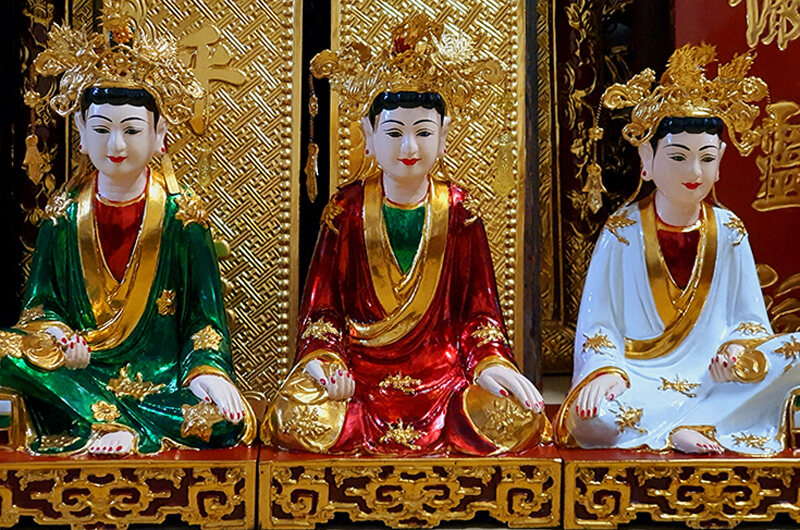
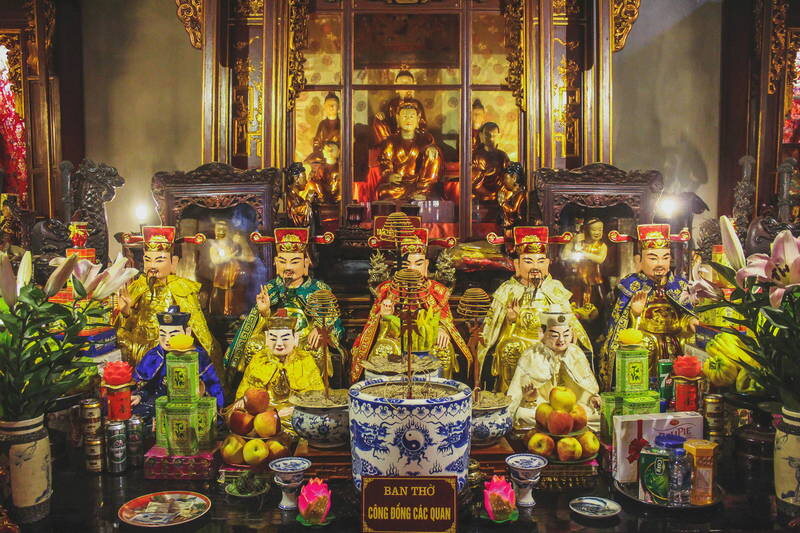
In Vietnamese culture, the image of the Mother has always held a place of profound respect. She represents not only the giver of life but also love, sacrifice, compassion, and protection. From this deep cultural tradition emerged the indigenous belief known as Mother Goddess Worship, which has become an essential part of Vietnam's spiritual and cultural identity.
Unlike many ancient civilizations that primarily revered male deities, the Vietnamese people have long honored female deities associated with nature, fertility, and the preservation of life. This reflects a worldview that values harmony with nature and the nurturing power of motherhood.
The Mother as the Symbol of Life
For generations, Vietnamese families have regarded mothers as the foundation of the household, nurturing children and preserving family traditions. In folk belief, this image evolved into the Holy Mother Goddesses, who embody creation, protection, and prosperity.
Worshipping the Mother Goddesses is therefore both an expression of gratitude and a symbol of hope for peace, health, and abundance.
From Nature to Spiritual Belief
Ancient Vietnamese communities depended heavily on the natural world. The sky, mountains, forests, rivers, and fertile land sustained daily life and agricultural production.
Over time, these natural elements were personified as the Mother Goddesses:
- Mother Goddess of Heaven represents the sky and celestial order.
- Mother Goddess of Mountains and Forests protects the natural world.
- Mother Goddess of Waters governs rivers, lakes, and seas.
- Mother Goddess of Earth symbolizes fertility and the abundance of the land.
This belief reflects the Vietnamese tradition of respecting and living in harmony with nature.
Honoring the Role of Women
Vietnamese history and folklore celebrate many remarkable women, from Mother Au Co to the Trung Sisters and Lady Trieu. Mother Goddess Worship continues this tradition by honoring women as symbols of wisdom, compassion, resilience, and cultural continuity.
Gratitude and Cultural Identity
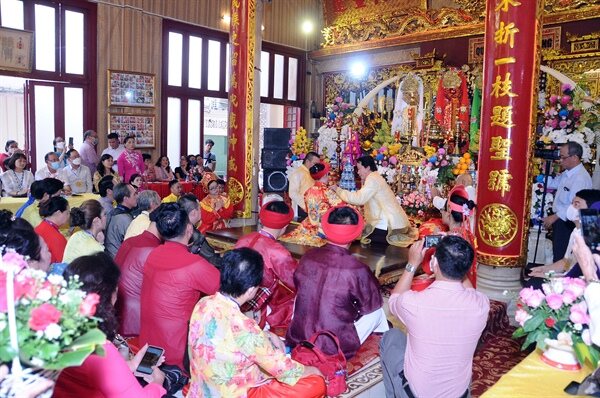
Mother Goddess Worship also embodies the Vietnamese philosophy of gratitude and remembrance. Through rituals, festivals, and community gatherings, people express appreciation for their ancestors, national heroes, and those who have contributed to society.
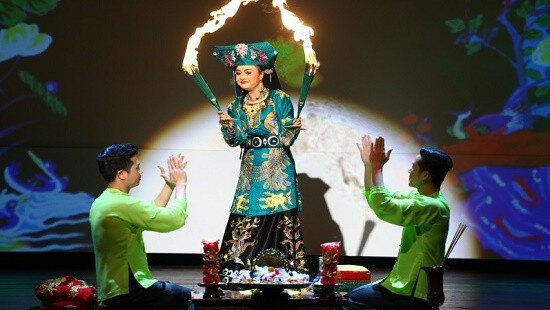
As the tradition evolved, it became a living cultural space that preserves ceremonial singing, spirit mediumship, traditional costumes, ritual arts, and folk festivals.
Bao Ha Temple and Mother Goddess Worship
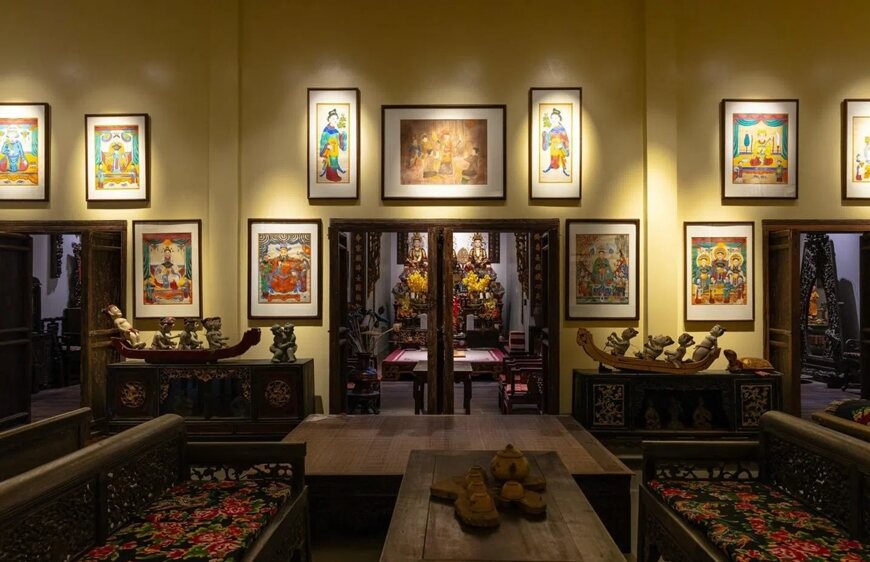
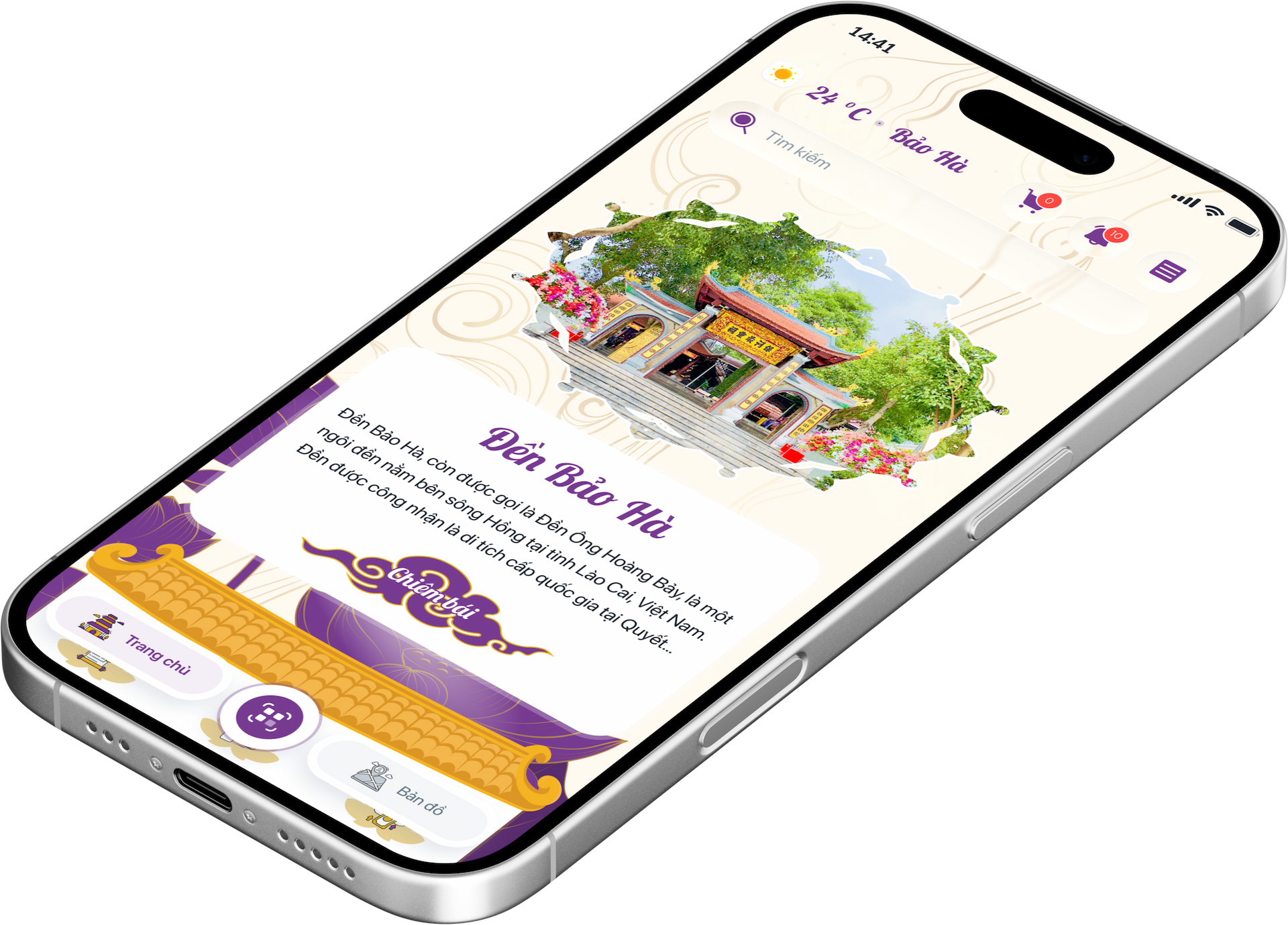
Bao Ha Temple is one of the important spiritual sites associated with the Four Palaces tradition. Dedicated to Lord Hoang Bay, the temple welcomes thousands of pilgrims each year who come not only to pray for peace and prosperity but also to experience one of Vietnam's most vibrant living cultural traditions.