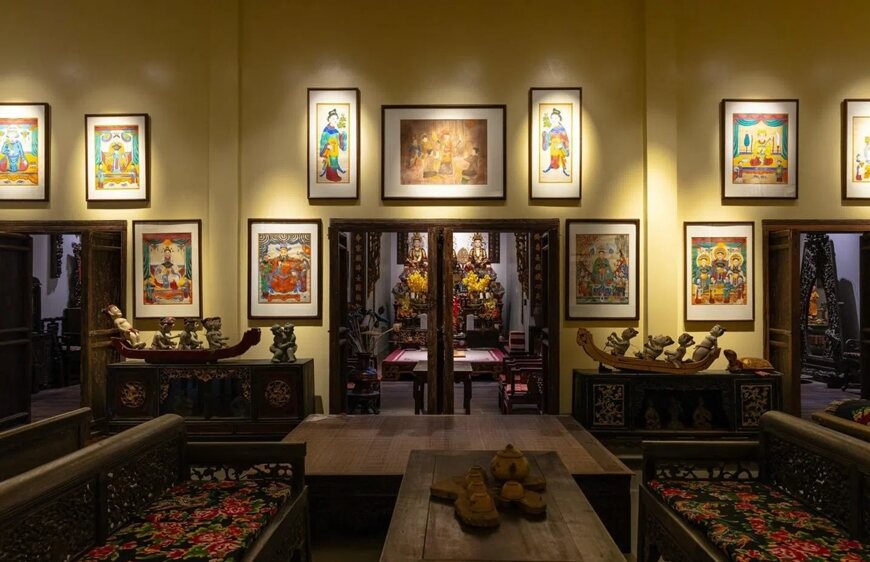
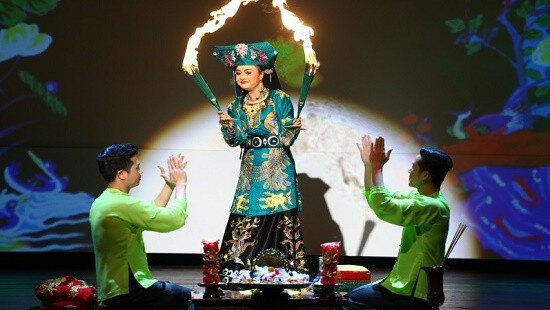
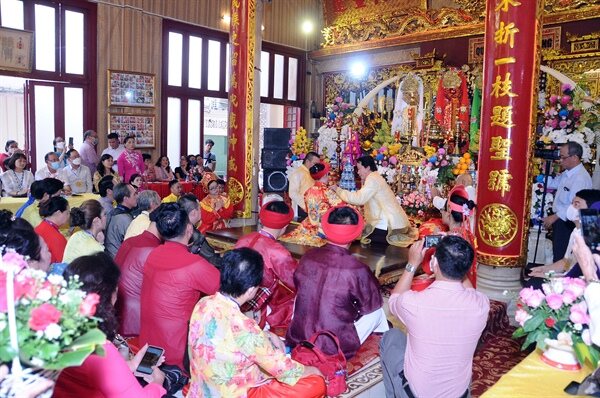
Mother Goddess Worship is one of Vietnam's oldest indigenous belief systems. Rather than being founded by a single religious leader or based on a formal doctrine, it gradually evolved from the daily lives, traditions, and spiritual practices of Vietnamese communities.
Its development reflects the close relationship between people, nature, history, and cultural identity.
Early Origins
Ancient Vietnamese communities relied heavily on agriculture and the natural environment. Mountains, forests, rivers, fertile land, and the sky were regarded as sacred forces sustaining life.
As a result, many female deities representing these natural elements were worshipped, laying the foundation for what would later become Mother Goddess Worship.
From Nature Worship to the Holy Mother Goddesses
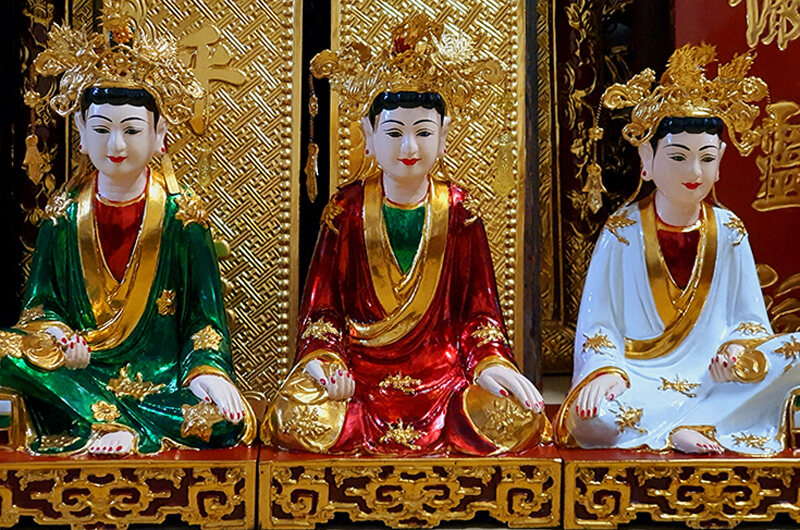
Over time, respected women from history and legend were honored alongside nature deities. This gradual transformation created a rich pantheon of Holy Mother Goddesses, combining mythology, history, and folk traditions.
Among them, Princess Lieu Hanh became one of the most influential figures and played a central role in shaping the modern Four Palaces belief system.
The Formation of the Four Palaces
From around the 16th century onward, the belief system developed into the structured Four Palaces tradition, representing Heaven, Mountains and Forests, Waters, and Earth.
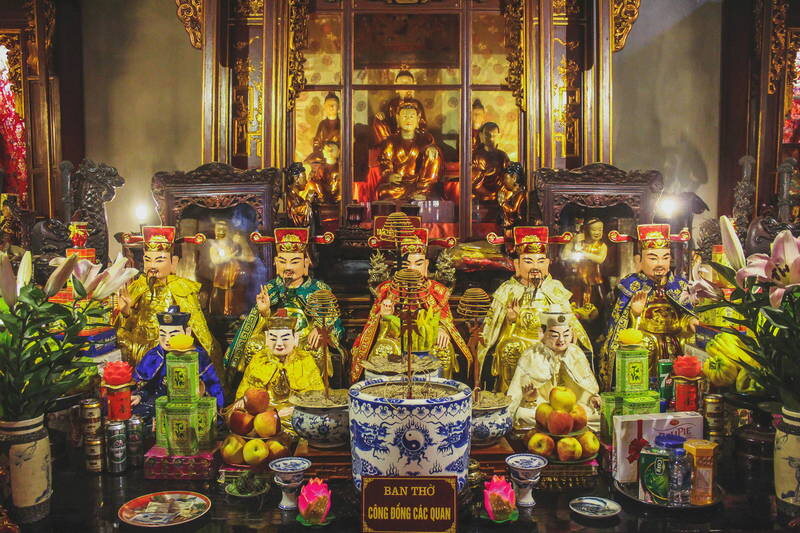
A hierarchy of Mandarins, Court Ladies, Princes, Holy Maidens, and Holy Boys gradually formed, creating the spiritual framework that continues to be practiced today.
A Living Cultural Heritage
Throughout Vietnamese history, Mother Goddess Worship has continued to evolve while preserving its traditional values. In 2016, UNESCO inscribed the Practices Related to the Vietnamese Beliefs in the Mother Goddesses of Three Realms on the Representative List of the Intangible Cultural Heritage of Humanity.
Today, Bao Ha Temple remains one of the important spiritual centers preserving and celebrating this living cultural heritage, particularly through the worship of Lord Hoang Bay, one of the most revered figures in the Four Palaces tradition.