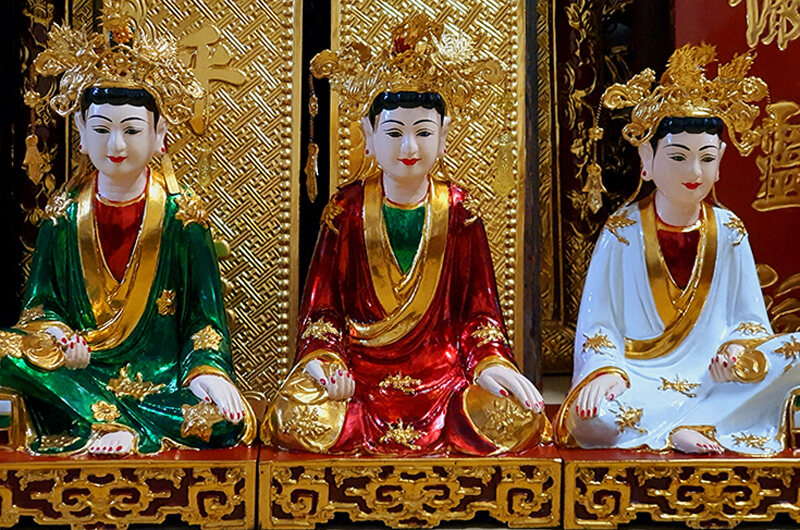
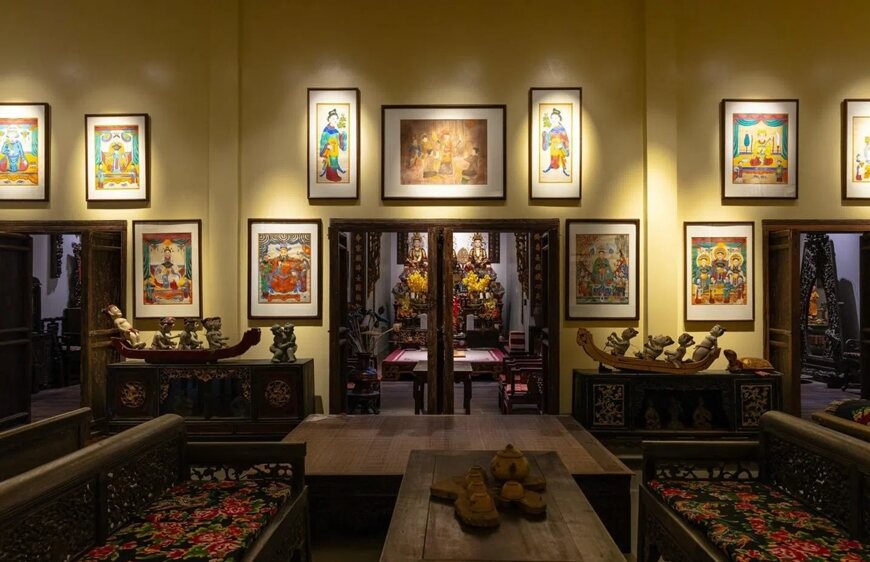
Dao Mau is one of Vietnam's oldest indigenous belief systems, developed over centuries from the country's agricultural civilization and traditional spiritual practices. It honors the Holy Mother Goddesses, who symbolize nature, creation, protection, and the nurturing power of life.
Unlike many religions with a single founder or formal scriptures, Mother Goddess Worship evolved naturally through folk traditions, local legends, historical figures, and community rituals. As a result, it remains closely connected to everyday life and reflects the cultural identity of the Vietnamese people.
Origins of Mother Goddess Worship
The origins of this belief can be traced back to the ancient Vietnamese tradition of worshipping natural forces such as the sky, mountains, forests, rivers, and the sea. Over time, these beliefs merged with the reverence for the nurturing image of the Mother, eventually forming a distinctive system centered on the Holy Mother Goddesses.
Through generations, local legends, historical heroes, and cultural traditions enriched the belief system, creating the diverse spiritual world known today as Vietnamese Mother Goddess Worship.
Who is Worshipped?
The core of Mother Goddess Worship is the system of the Four Palaces (Tu Phu), representing different realms of the universe:
- Dao Mau of Heaven – guardian of the sky.
- Dao Mau of Mountains and Forests – protector of nature.
- Dao Mau of Waters – ruler of rivers, lakes, and seas.
- Dao Mau of Earth – symbol of fertility and prosperity.
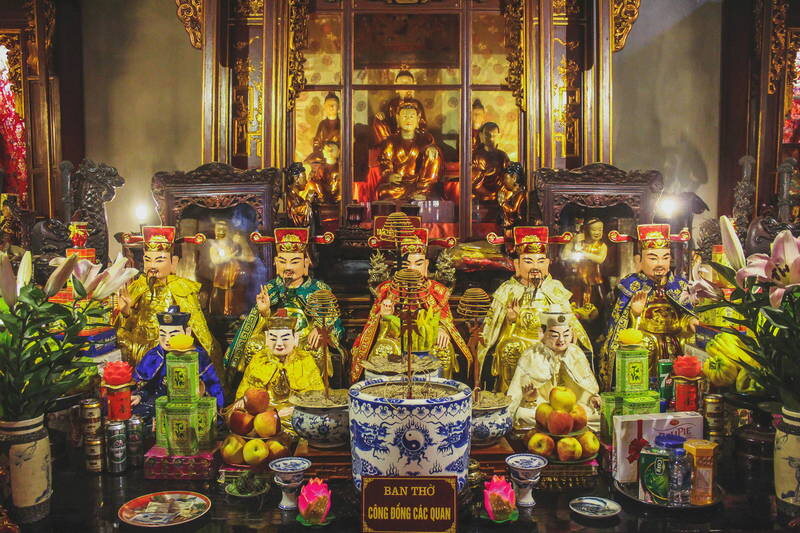
Alongside the Mother Goddesses are a rich pantheon of Mandarins, Court Ladies, Princes, Holy Maidens, and Holy Boys, each associated with historical legends and spiritual symbolism.
Among them, Lord Hoang Bay of Bao Ha is one of the most revered figures, especially in Northern Vietnam, where Bao Ha Temple has become an important pilgrimage destination.
Cultural Significance
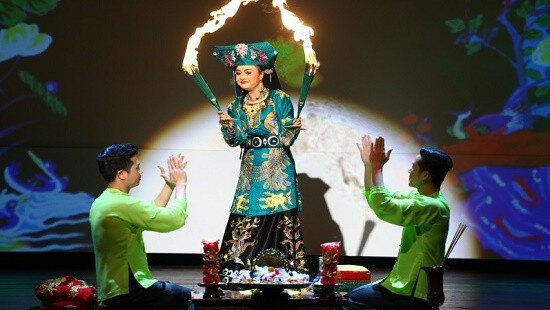
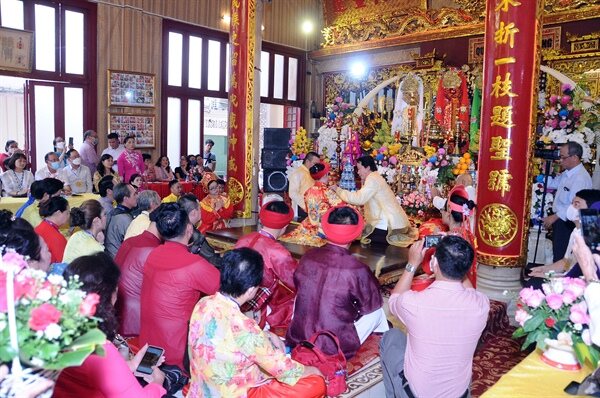
Mother Goddess Worship is more than a spiritual practice. It preserves a remarkable collection of traditional Vietnamese performing arts, including Chau Van ceremonial singing, Hau Dong spirit mediumship rituals, sacred dances, traditional costumes, and ritual music.
The belief system embodies values such as gratitude, harmony with nature, respect for ancestors, and aspirations for peace, prosperity, and well-being.
UNESCO Recognition
In 2016, the Practices Related to the Vietnamese Beliefs in the Mother Goddesses of Three Realms were inscribed by UNESCO on the Representative List of the Intangible Cultural Heritage of Humanity.
This recognition highlights the outstanding cultural value of the tradition and encourages its preservation for future generations.
Mother Goddess Worship and Bao Ha Temple
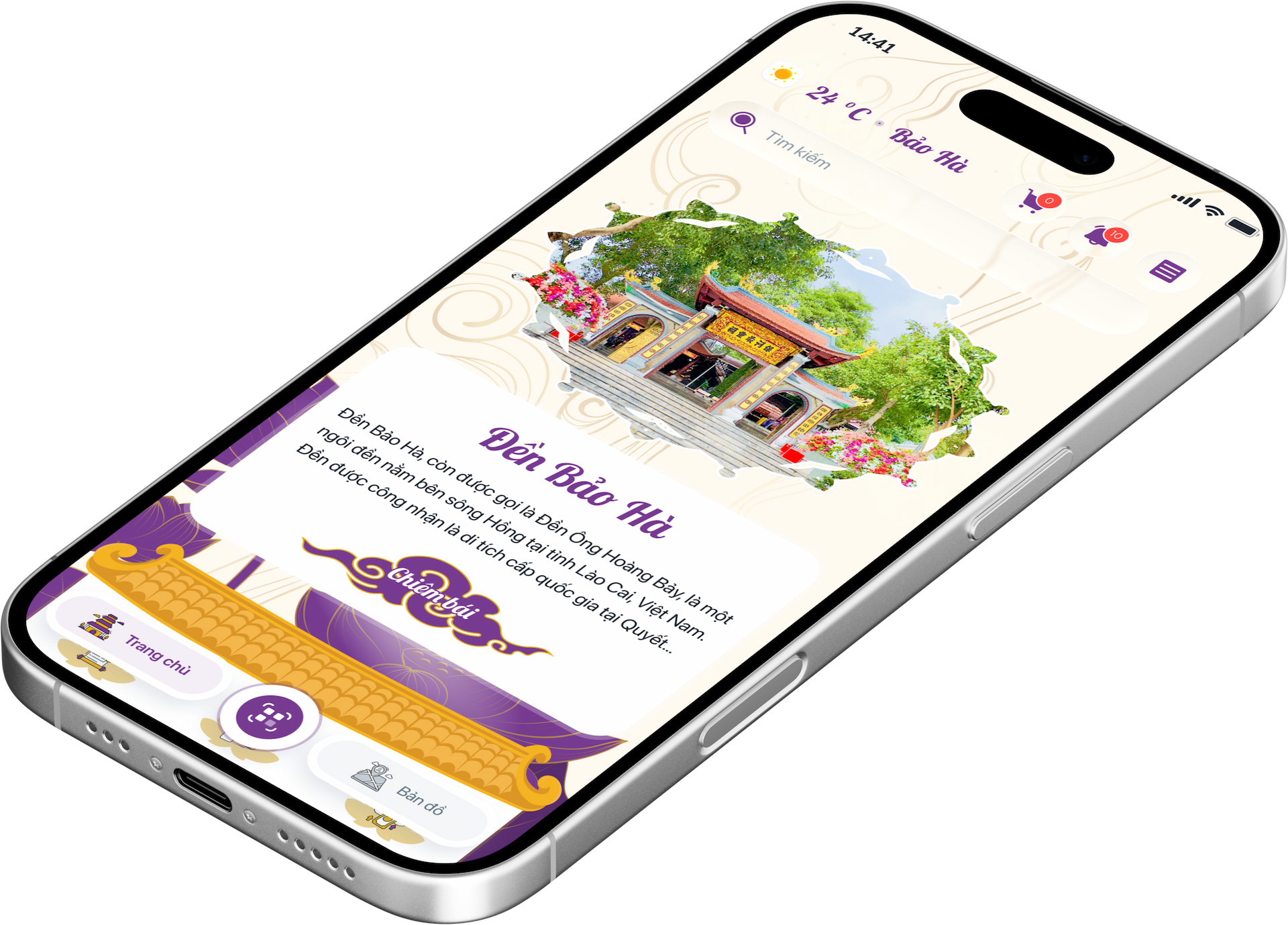
Bao Ha Temple is one of the most important spiritual sites associated with Lord Hoang Bay, a revered figure in the Four Palaces tradition. Every year, thousands of pilgrims and visitors travel to the temple to pay their respects, seek blessings, and experience one of Vietnam's most distinctive cultural heritages.
For many visitors, exploring Bao Ha Temple is not only a spiritual journey but also an opportunity to discover the richness of Vietnamese history, traditions, and living heritage.