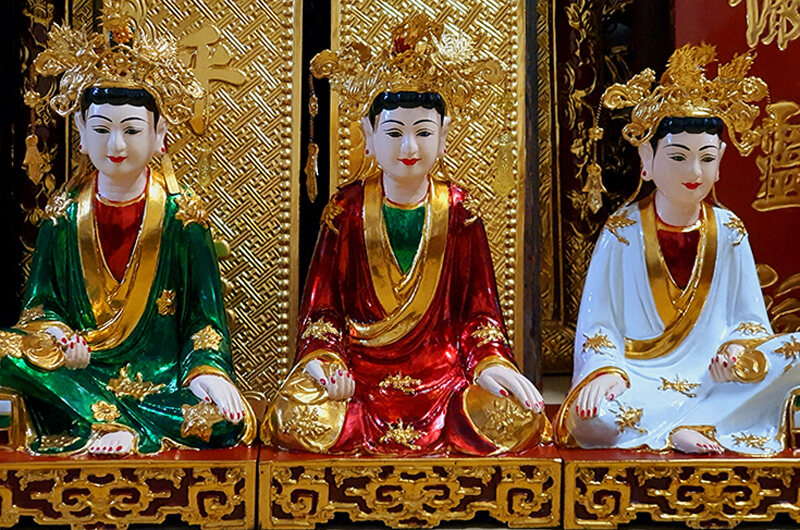
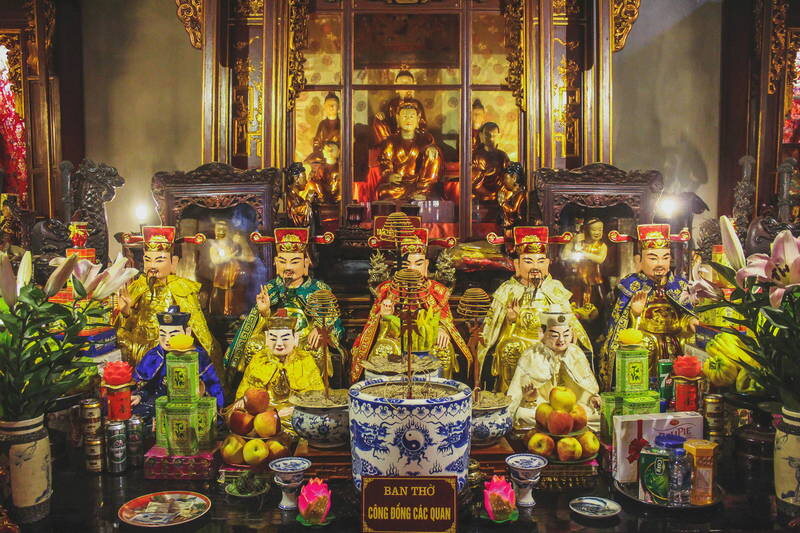
Mother Goddess Worship is more than a spiritual belief—it is a living reflection of Vietnamese cultural identity. Rooted in indigenous traditions, it embodies the Vietnamese relationship with nature, respect for motherhood, gratitude toward ancestors and national heroes, and the preservation of traditional arts.
Unlike imported religions, Mother Goddess Worship evolved naturally from the daily lives of Vietnamese communities. It reflects the agricultural heritage of the nation and the enduring values of harmony, compassion, and respect for life.
A Belief Shaped by Vietnamese Society
The belief developed from ancient nature worship and gradually evolved into a sophisticated spiritual tradition centered on the Holy Mother Goddesses and the Four Palaces. Its symbols, rituals, and stories all bear the imprint of Vietnam's landscapes, history, and local customs.
Honoring Motherhood
One of the defining characteristics of Mother Goddess Worship is its celebration of motherhood. The Mother symbolizes life, protection, sacrifice, and compassion—values deeply rooted in Vietnamese family life and social ethics.
Preserving Traditional Arts
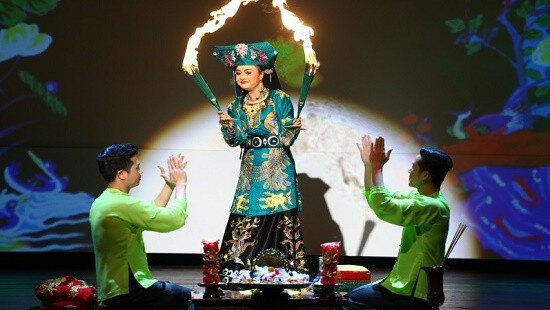
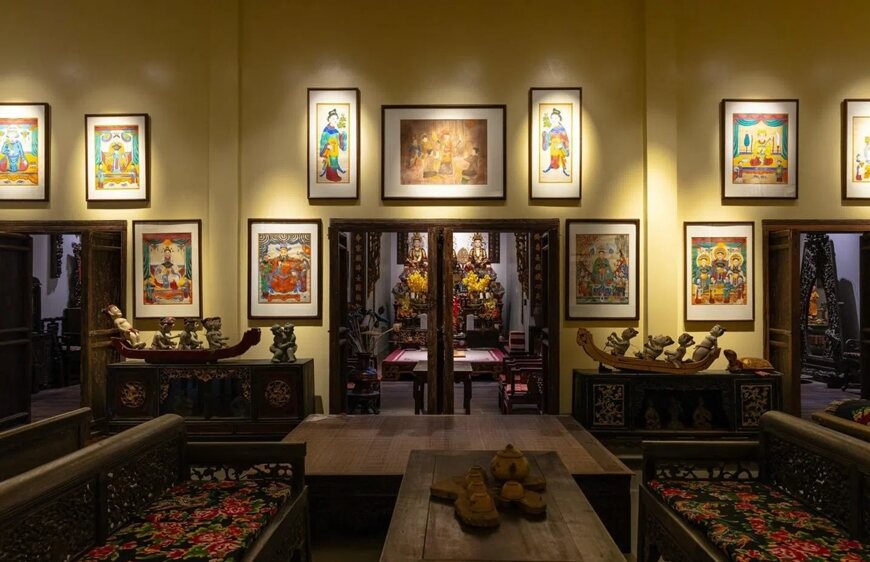
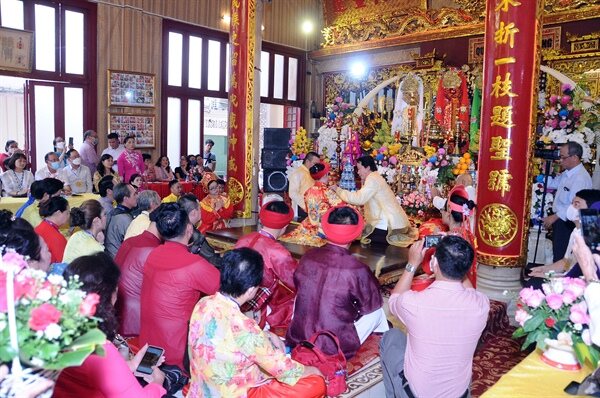
Mother Goddess Worship also serves as a living cultural space where ceremonial singing (Chau Van), spirit mediumship rituals (Hau Dong), traditional costumes, ritual music, and sacred decorative arts continue to flourish.
A Living Heritage
Today, Mother Goddess Worship remains an important part of Vietnam's cultural landscape. Recognized by UNESCO in 2016 as an Intangible Cultural Heritage of Humanity, it continues to inspire researchers, artists, pilgrims, and visitors from around the world.
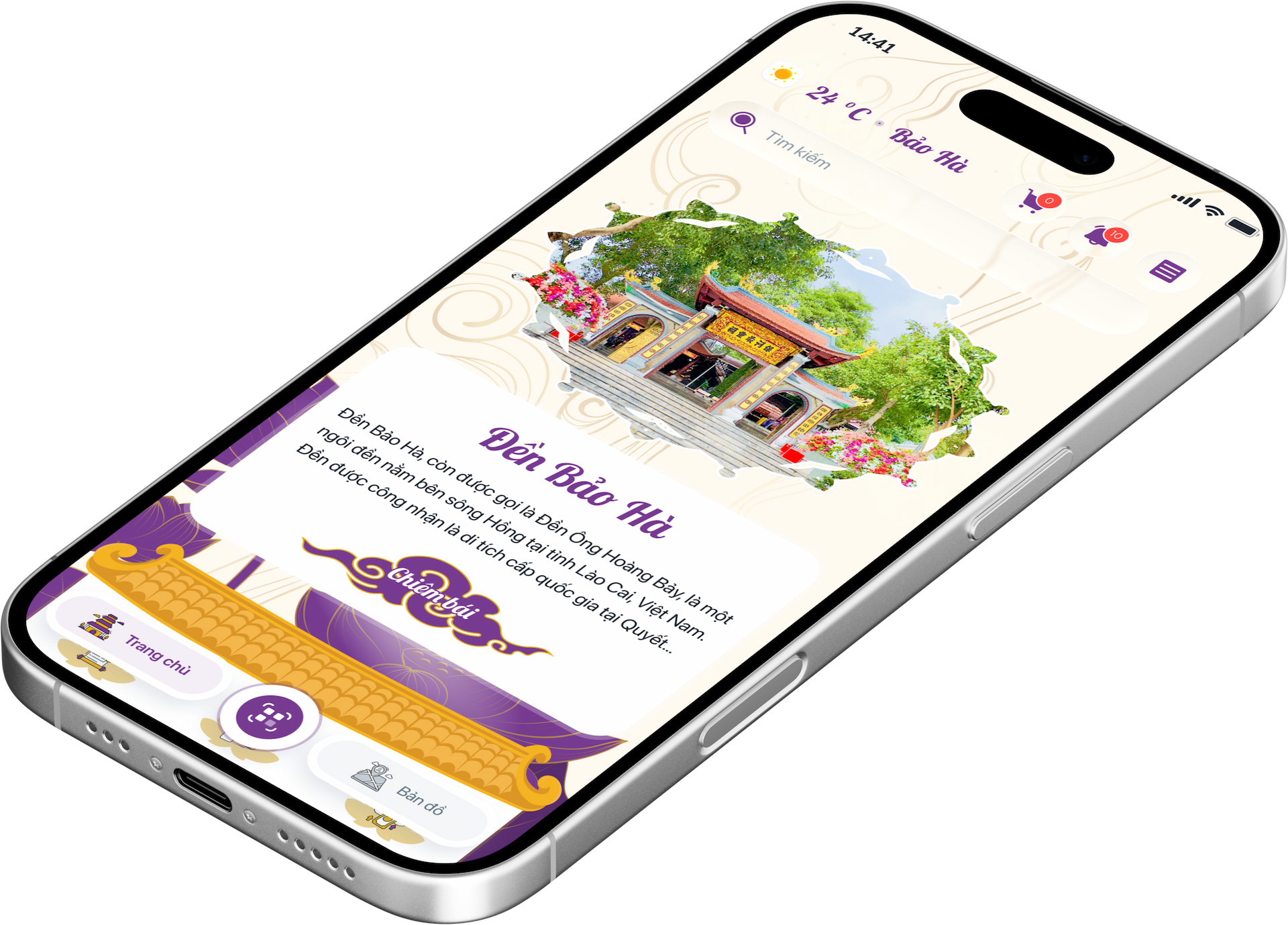
Bao Ha Temple, dedicated to Lord Hoang Bay, is one of the remarkable places where visitors can experience this vibrant living heritage through architecture, rituals, festivals, and traditional performances.